Canned fish can put a lot of calcium into a weekday meal, but only some cans carry much of it. In the FDC data the difference often shows in the record name: “with bone” or “without skin and bones”. This article compares canned fish and seafood using USDA FoodData Central (SR Legacy records, last updated in 2019), then builds three meals around the cans that score well.
What the NHS asks for
The NHS says adults aged 19 to 64 and over need 700mg of calcium a day, and that you should be able to get all of it from your daily diet. Its list of sources includes milk, cheese and other dairy foods, curly kale and okra, soya drinks with added calcium, bread and anything made with fortified flour, and fish where you eat the bones, such as sardines and pilchards. That last item is the one this article is about.
Same salmon, with and without the bones
Pink salmon shows the gap most clearly, because FDC has canned records for it both ways. The “total can contents” record lists 215mg of calcium per 100g, and the record for solids with bone and liquid lists 213mg. The record for drained solids “without skin and bones” lists 60mg. On a 3oz serving (85g), that is about 183mg against about 51mg. Canned chum salmon, drained solids with bone, is higher again at 249mg per 100g, or about 212mg for 85g.
So if a recipe tells you to pick the bones out of the salmon, you lose most of the calcium the can had to offer.
A shelf of cans compared
| Can (FDC record) | Calcium per 100g | A typical portion |
|---|---|---|
| Atlantic sardines in oil, drained, with bone | 382mg | one can (92g): about 351mg |
| Chum salmon, drained, with bone | 249mg | 3oz (85g): about 212mg |
| Jack mackerel, drained solids | 241mg | 1 cup (190g): about 458mg |
| Pacific sardines in tomato sauce, drained, with bone | 240mg | one sardine (38g): about 91mg |
| European anchovies in oil, drained | 232mg | five anchovies (20g): about 46mg |
| Pink salmon, total can contents | 215mg | 3oz (85g): about 183mg |
| Shrimp, canned | 145mg | ten shrimp (32g): about 46mg |
| Pink salmon, drained, without skin and bones | 60mg | 3oz (85g): about 51mg |
| Light tuna in water, drained | 11mg | one can (165g): about 18mg |
Two rows need a note. The jack mackerel and anchovy records do not say whether bones are included, so the table gives their numbers without a reason. Anchovies score well per 100g, but five of them weigh only 20g, so they work as a topping, not as the main calcium food. Light tuna is the weakest can here: a whole can gives about 18mg, less than two Medjool dates.
Three meals built on canned fish
Breakfast is a cup of whole milk (244g) with two pitted Medjool dates. The milk gives about 276mg and the dates about 31mg, so breakfast is about 306mg.
Lunch is a cup of cooked white rice topped with 85g of canned pink salmon, using the total can contents rather than draining and picking it over. The salmon gives about 183mg and the rice about 6mg, so lunch comes to about 188mg.
Dinner is one can of Atlantic sardines in oil, mashed with the bones, served with another cup of rice and a cup of raw kale. The sardines give about 351mg, the kale about 53mg and the rice about 6mg, which makes about 410mg.
The day adds up to about 905mg, over the NHS 700mg figure and under the 1,500mg a day it calls a high dose, which it says could lead to stomach pain and diarrhoea.
Now change only the fish. If lunch uses boneless pink salmon, the day drops by about 132mg to around 773mg. If dinner uses a can of light tuna in place of the sardines, the day drops by about 333mg more. With both swaps, the same three meals give about 440mg. The menu looks almost the same on the plate, but it falls well short of the 700mg.
Where dates come in
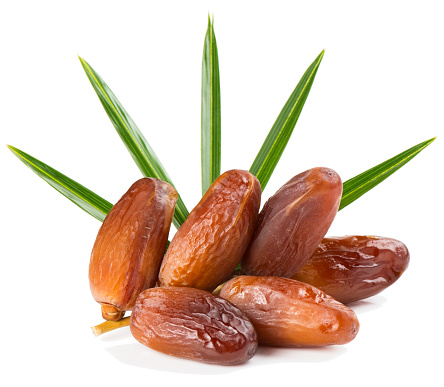
A pitted Medjool weighs about 24g in the FDC data and has 64mg of calcium per 100g, so one date gives about 15mg. Deglet Noor, the golden, semi-dry date from Tunisia and Algeria, has 39mg per 100g, and a pitted one weighs 7.1g, so three of them give about 8mg. Dates add a little calcium. The cans and the milk do most of the work.
The NHS counts a 30g portion of dried fruit, dates included, as 1 of your 5 A Day. It also says that dried fruit should be eaten at mealtimes, not as a snack between meals, to reduce the impact on teeth. That is why the dates in this plan sit in the breakfast cup rather than in a mid-afternoon snack.
The link to Kurma medjool Malaysia, an outside site, was already in this post and is kept. The about us page says Rotab Mozafati Bam covers retail and wholesale, delivers across Malaysia and offers customer service through WhatsApp, and it invites readers to get in touch for a quote. The contact page has a form, and more articles are on the blog.
These figures are general nutrition information, not personal advice. A GP or dietitian can help with an individual diet.